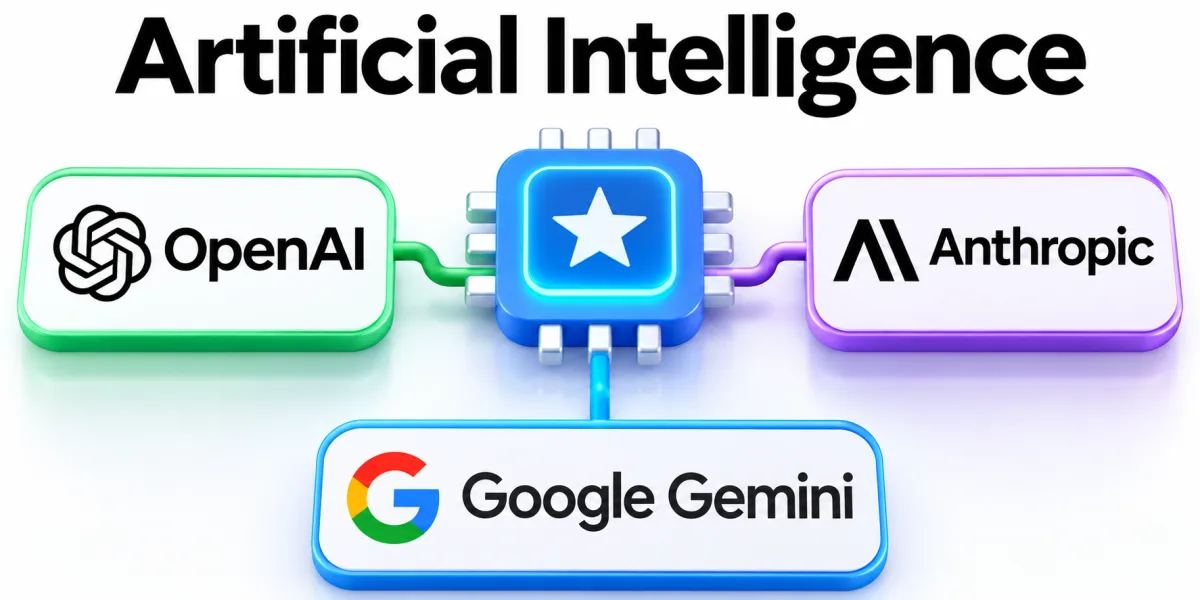
AI strategy defines which business outcomes justify using AI and how implementation will be governed. The details matter most when a decision has consequences for several parts of the business.
Begin with operational problems, available information, and the people who can judge output quality. Define the immediate question before deciding how much work to take on.
What Should an AI Strategy Decide Before Tool Selection?

An AI roadmap can prioritize a limited set of use cases with clear evaluation and oversight. Document the expected behavior and the signals that would tell the team to investigate further.
Compare potential value, operating effort, and practical risks before selecting models or expanding pilots. Check those signals on a recent case before relying on the same approach more broadly.
Build a Portfolio of Opportunities
Collect candidate use cases and describe the decision or work each one would improve. Use a representative example and record any assumptions that would limit how broadly the decision applies.
Score opportunities using evidence about the problem, available data, and the cost of errors. Confirm the outcome under realistic conditions and note what someone needs to do when the expected result fails.
Define Ownership and Evaluation
Assign business and technical owners for each pilot and specify its review process. Run a focused check before applying the same decision across a wider set of cases.
Compare AI-assisted outcomes with the existing workflow using representative situations and agreed criteria. Record both the expected result and what you observed so another person can evaluate the choice.
Set an Adoption and Review Plan
Describe how a pilot can earn wider rollout, further testing, or retirement. Describe the decision in terms that make sense to both the owner and the people using the result.
Review operating costs and oversight needs as teams use the system on more work. Track what changes after implementation and schedule a review once there is enough evidence to compare results.