Search engine optimization helps B2B buyers find useful pages during research and evaluation. The work connects the language buyers use with an information architecture search engines can discover.
These guides cover intent research, technical SEO, enterprise link building, e-commerce taxonomy, case studies, and AI search visibility. They address decisions across site structure, content, and measurement.
How Can B2B Buyers Find the Right Page?

Begin with a buyer question and identify the page that should answer it. A service page, comparison, guide, and case study serve different needs at different moments.
Review the competing results before committing to a format. Examine what makes each page helpful, which questions remain unanswered, and whether your organization can add firsthand evidence or a clearer explanation.
Map Pages to Search Intent
Create a primary destination for each distinct need. Link supporting resources to it where those links help readers compare an option, follow a procedure, or evaluate related proof.
When pages overlap, compare their queries, links, and role in the buyer journey. Use that evidence to decide which page needs stronger differentiation and how to guide navigation.
Resolve Crawl and Indexing Problems
Follow important URLs from menus and contextual links. Confirm their HTTP responses, indexability, and canonical destinations so valuable pages can be reached without relying exclusively on an XML sitemap.
For stores with filters, distinguish valuable category pages from combinations that repeat the same inventory. Verify how filters affect internal links and which destinations are intended for indexing.
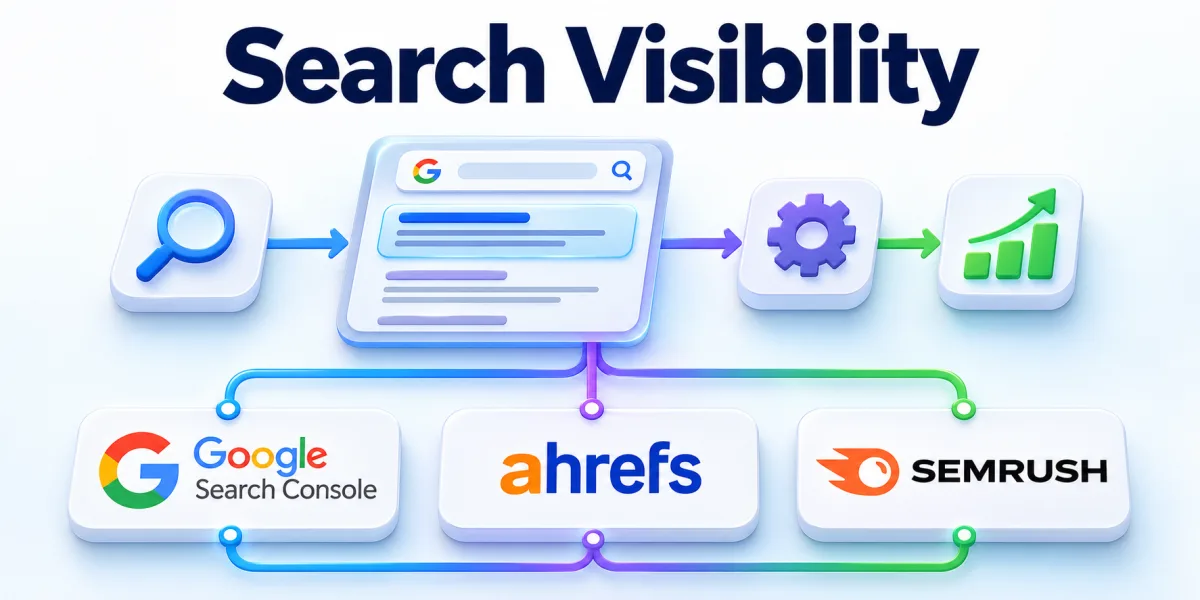
Measure Visibility Alongside Qualified Demand
Group search queries by the decisions they represent. Pair impressions and clicks with evidence such as visits to case studies, qualified inquiries, or progression to relevant commercial pages.
Interpret changes with the page history in view. Compare like periods, record migrations and material edits, and inspect which query groups gained or lost visibility before changing your plan.