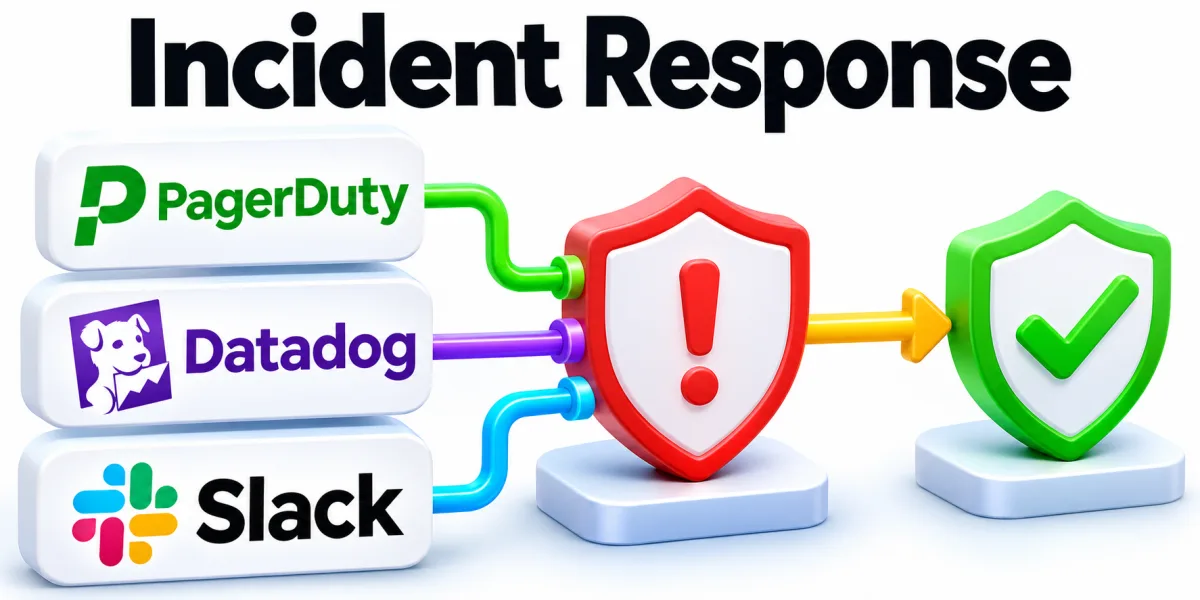
Incident management coordinates people, information, and decisions from detection through restoration and later review. Start with the decisions people need to make and the evidence available to them.
Define how your organization responds when a service interruption affects customers or internal work. The examples below show how to turn that situation into a practical next step.
What Makes IT Incident Management Repeatable?

A team can assign an incident lead, publish status, and track the technical work in one record. Follow that example from the first decision through the point where someone must confirm the outcome.
Review acknowledgement, communication, and restoration timelines to improve coordination across incidents. Establish what you can observe today so you have a baseline for assessing changes.
Define Severity and Ownership
Classify incidents using business impact, affected scope, and available customer workarounds. Compare the result with a recent case before deciding whether to adjust the process.
Identify who coordinates response and which teams need to participate at different severity levels. Ask the responsible team to confirm it can repeat the check without relying on undocumented steps.
Organize Response and Communication
Record decisions and observations in a shared timeline accessible to responders. Write down the conditions that could change the decision and agree who will review them.
Communicate what is known, what people should do, and when the next update will arrive. Keep an example that shows what can go wrong so the next person has a concrete reference.
Verify Restoration and Review Follow-Up
Check affected customer workflows before marking the service as restored. Use the result to decide what to keep, change, or investigate during the next review.
Assign owners and dates to corrective actions and confirm they address the conditions observed. Share the outcome with the people who will handle the next case and record any open questions.