
How to Implement Strict Content Governance Workflows in WordPress
Set WordPress rules, name roles, route posts for review, limit who may publish, track edits, and test each step before wider use across a large site with clear owner sign-off.

Content modeling defines reusable information types, fields, and relationships before pages are assembled. The details matter most when a decision has consequences for several parts of the business.
Start where multiple teams or languages need to publish or update the same underlying information. Define the immediate question before deciding how much work to take on.
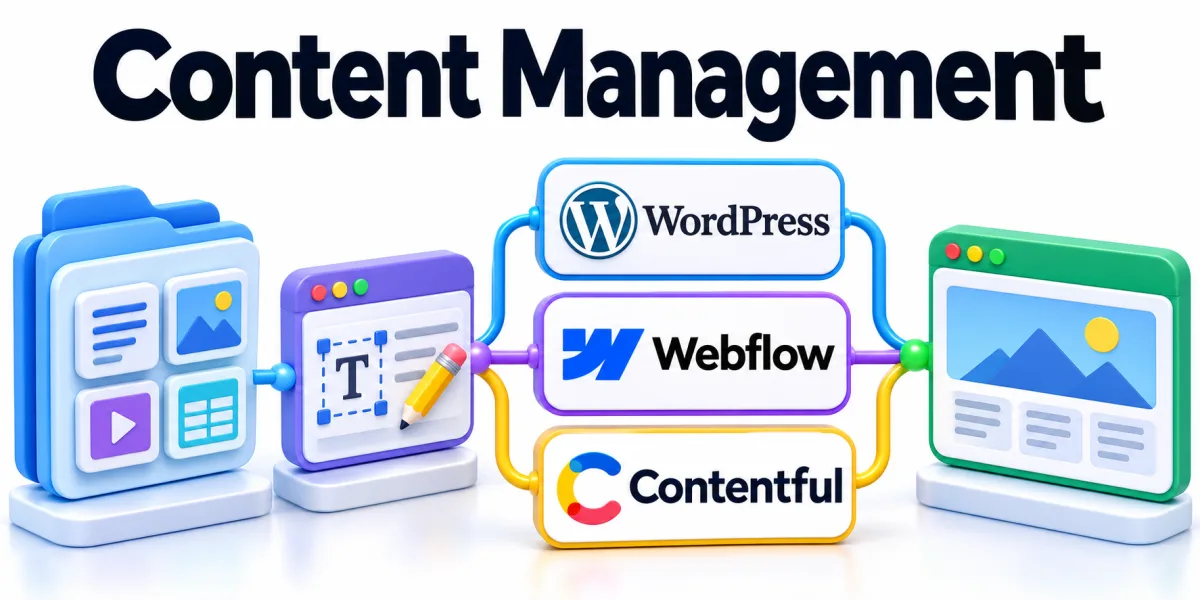
A product model can connect features, specifications, translated descriptions, and evidence without repeating the same facts. Document the expected behavior and the signals that would tell the team to investigate further.
Check whether editors can create useful entries and retrieve related content consistently across templates. Check those signals on a recent case before relying on the same approach more broadly.
Inventory important content and separate reusable information from page-level presentation decisions. Use a representative example and record any assumptions that would limit how broadly the decision applies.
Describe how one entry relates to a product, location, campaign, or language variant. Confirm the outcome under realistic conditions and note what someone needs to do when the expected result fails.
Use descriptive names and structure that editors recognize from their daily tasks. Run a focused check before applying the same decision across a wider set of cases.
Test the field model with unusual content, missing values, and translated variants. Record both the expected result and what you observed so another person can evaluate the choice.
Track where field values are displayed and what exports or integrations use them. Describe the decision in terms that make sense to both the owner and the people using the result.
Document how to change the model without losing records or breaking published content. Track what changes after implementation and schedule a review once there is enough evidence to compare results.
Set WordPress rules, name roles, route posts for review, limit who may publish, track edits, and test each step before wider use across a large site with clear owner sign-off.
