


The Challenge of Long Sales Cycle Attribution

This the attribution review requires a defined decision, eligible audience, current baseline, accountable owner, and evidence window before teams change a B2B journey.
Review buyer behavior, page experience, technical conditions, campaign context, sales follow-up, and measurement limits together. Isolated metrics cannot explain the complete the attribution outcome.
Define evidence for the attribution decisions
Collect quantitative and qualitative evidence that reveals what happened around the attribution. Preserve segments, dates, sources, exclusions, and known instrumentation gaps.
Separate observed behavior from interpretation. Record competing explanations, downstream dependencies, and the result that would disprove the preferred the attribution hypothesis.
Review the attribution through these evidence checks:
- Current the attribution baseline
- Eligible audience segment
- Observed journey behavior
- Technical dependency
- Downstream sales outcome
- Named decision owner
Use representative the attribution records and journeys instead of only favorable examples. Include abandonment, exceptions, low-volume segments, mobile paths, and delayed outcomes.
Test the attribution changes with representative journeys
Choose the smallest change that can answer the the attribution question without disrupting unrelated pages, campaigns, forms, tracking, or customer workflows.
Preserve a the attribution comparison and define success, guardrails, duration, sample limits, review cadence, and rollback conditions before implementation begins.
Connect the attribution findings to accountable action
Compare qualified behavior, lead quality, pipeline progression, operational effort, customer risk, and revenue evidence before declaring the the attribution change successful.
Record the the attribution decision, evidence, limitations, owner, next checkpoint, and affected systems. Share learning so future work does not repeat this uncertainty.
Connect this research to the broader CRO system
Use our B2B CRO framework to connect this research with the broader operating framework.
Apply that guidance to the audience, page, campaign, and downstream decision defined for this article before expanding the research scope.
Enforcing UTM Parameter Governance Firm-Wide

This enforcing firm-wide review requires a defined decision, eligible audience, current baseline, accountable owner, and evidence window before teams change a B2B journey.
Review buyer behavior, page experience, technical conditions, campaign context, sales follow-up, and measurement limits together. Isolated metrics cannot explain the complete enforcing firm-wide outcome.
Define evidence for enforcing firm-wide decisions
Collect quantitative and qualitative evidence that reveals what happened around enforcing firm-wide. Preserve segments, dates, sources, exclusions, and known instrumentation gaps.
Separate observed behavior from interpretation. Record competing explanations, downstream dependencies, and the result that would disprove the preferred enforcing firm-wide hypothesis.
Review enforcing firm-wide through these evidence checks:
- Current enforcing firm-wide baseline
- Eligible audience segment
- Observed journey behavior
- Technical dependency
- Downstream sales outcome
- Named decision owner
Use representative enforcing firm-wide records and journeys instead of only favorable examples. Include abandonment, exceptions, low-volume segments, mobile paths, and delayed outcomes.
Test enforcing firm-wide changes with representative journeys
Choose the smallest change that can answer the enforcing firm-wide question without disrupting unrelated pages, campaigns, forms, tracking, or customer workflows.
Preserve a enforcing firm-wide comparison and define success, guardrails, duration, sample limits, review cadence, and rollback conditions before implementation begins.
Connect enforcing firm-wide findings to accountable action
Compare qualified behavior, lead quality, pipeline progression, operational effort, customer risk, and revenue evidence before declaring the enforcing firm-wide change successful.
Record the enforcing firm-wide decision, evidence, limitations, owner, next checkpoint, and affected systems. Share learning so future work does not repeat this uncertainty.
Google Tag Manager (GTM) and Custom Event Tracking

This google tracking review requires a defined decision, eligible audience, current baseline, accountable owner, and evidence window before teams change a B2B journey.
Review buyer behavior, page experience, technical conditions, campaign context, sales follow-up, and measurement limits together. Isolated metrics cannot explain the complete google tracking outcome.
Define evidence for google tracking decisions
Collect quantitative and qualitative evidence that reveals what happened around google tracking. Preserve segments, dates, sources, exclusions, and known instrumentation gaps.
Separate observed behavior from interpretation. Record competing explanations, downstream dependencies, and the result that would disprove the preferred google tracking hypothesis.
Review google tracking through these evidence checks:
- Current google tracking baseline
- Eligible audience segment
- Observed journey behavior
- Technical dependency
- Downstream sales outcome
- Named decision owner
Use representative google tracking records and journeys instead of only favorable examples. Include abandonment, exceptions, low-volume segments, mobile paths, and delayed outcomes.
Test google tracking changes with representative journeys
Choose the smallest change that can answer the google tracking question without disrupting unrelated pages, campaigns, forms, tracking, or customer workflows.
Preserve a google tracking comparison and define success, guardrails, duration, sample limits, review cadence, and rollback conditions before implementation begins.
Connect google tracking findings to accountable action
Compare qualified behavior, lead quality, pipeline progression, operational effort, customer risk, and revenue evidence before declaring the google tracking change successful.
Record the google tracking decision, evidence, limitations, owner, next checkpoint, and affected systems. Share learning so future work does not repeat this uncertainty.
Bidirectional CRM Integration (Salesforce/HubSpot)
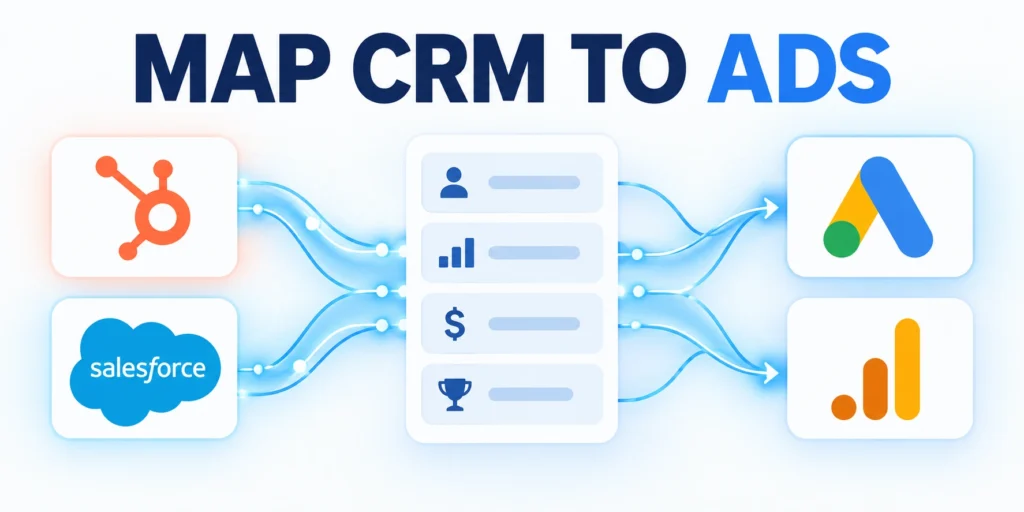
This bidirectional hubspot review requires a defined decision, eligible audience, current baseline, accountable owner, and evidence window before teams change a B2B journey.
Review buyer behavior, page experience, technical conditions, campaign context, sales follow-up, and measurement limits together. Isolated metrics cannot explain the complete bidirectional hubspot outcome.
Define evidence for bidirectional hubspot decisions
Collect quantitative and qualitative evidence that reveals what happened around bidirectional hubspot. Preserve segments, dates, sources, exclusions, and known instrumentation gaps.
Separate observed behavior from interpretation. Record competing explanations, downstream dependencies, and the result that would disprove the preferred bidirectional hubspot hypothesis.
Review bidirectional hubspot through these evidence checks:
- Current bidirectional hubspot baseline
- Eligible audience segment
- Observed journey behavior
- Technical dependency
- Downstream sales outcome
- Named decision owner
Use representative bidirectional hubspot records and journeys instead of only favorable examples. Include abandonment, exceptions, low-volume segments, mobile paths, and delayed outcomes.
Test bidirectional hubspot changes with representative journeys
Choose the smallest change that can answer the bidirectional hubspot question without disrupting unrelated pages, campaigns, forms, tracking, or customer workflows.
Preserve a bidirectional hubspot comparison and define success, guardrails, duration, sample limits, review cadence, and rollback conditions before implementation begins.
Connect bidirectional hubspot findings to accountable action
Compare qualified behavior, lead quality, pipeline progression, operational effort, customer risk, and revenue evidence before declaring the bidirectional hubspot change successful.
Record the bidirectional hubspot decision, evidence, limitations, owner, next checkpoint, and affected systems. Share learning so future work does not repeat this uncertainty.
The Importance of Offline Conversion Tracking

This the tracking review requires a defined decision, eligible audience, current baseline, accountable owner, and evidence window before teams change a B2B journey.
Review buyer behavior, page experience, technical conditions, campaign context, sales follow-up, and measurement limits together. Isolated metrics cannot explain the complete the tracking outcome.
| Stage | Evidence | Decision |
|---|---|---|
| Audience | Eligible segment | Keep or refine |
| Experience | Observed behavior | Remove friction |
| Lead | Qualified response | Adjust journey |
| Pipeline | Sales outcome | Scale or stop |
Define evidence for the tracking decisions
Collect quantitative and qualitative evidence that reveals what happened around the tracking. Preserve segments, dates, sources, exclusions, and known instrumentation gaps.
Separate observed behavior from interpretation. Record competing explanations, downstream dependencies, and the result that would disprove the preferred the tracking hypothesis.
Review the tracking through these evidence checks:
- Current the tracking baseline
- Eligible audience segment
- Observed journey behavior
- Technical dependency
- Downstream sales outcome
- Named decision owner
Use representative the tracking records and journeys instead of only favorable examples. Include abandonment, exceptions, low-volume segments, mobile paths, and delayed outcomes.
Test the tracking changes with representative journeys
Choose the smallest change that can answer the the tracking question without disrupting unrelated pages, campaigns, forms, tracking, or customer workflows.
Preserve a the tracking comparison and define success, guardrails, duration, sample limits, review cadence, and rollback conditions before implementation begins.
Connect the tracking findings to accountable action
Compare qualified behavior, lead quality, pipeline progression, operational effort, customer risk, and revenue evidence before declaring the the tracking change successful.
Record the the tracking decision, evidence, limitations, owner, next checkpoint, and affected systems. Share learning so future work does not repeat this uncertainty.
Server-Side Tagging for Enhanced Data Accuracy

This server-side accuracy review requires a defined decision, eligible audience, current baseline, accountable owner, and evidence window before teams change a B2B journey.
Review buyer behavior, page experience, technical conditions, campaign context, sales follow-up, and measurement limits together. Isolated metrics cannot explain the complete server-side accuracy outcome.
Define evidence for server-side accuracy decisions
Collect quantitative and qualitative evidence that reveals what happened around server-side accuracy. Preserve segments, dates, sources, exclusions, and known instrumentation gaps.
Separate observed behavior from interpretation. Record competing explanations, downstream dependencies, and the result that would disprove the preferred server-side accuracy hypothesis.
Review server-side accuracy through these evidence checks:
- Current server-side accuracy baseline
- Eligible audience segment
- Observed journey behavior
- Technical dependency
- Downstream sales outcome
- Named decision owner
Use representative server-side accuracy records and journeys instead of only favorable examples. Include abandonment, exceptions, low-volume segments, mobile paths, and delayed outcomes.
Test server-side accuracy changes with representative journeys
Choose the smallest change that can answer the server-side accuracy question without disrupting unrelated pages, campaigns, forms, tracking, or customer workflows.
Preserve a server-side accuracy comparison and define success, guardrails, duration, sample limits, review cadence, and rollback conditions before implementation begins.
Connect server-side accuracy findings to accountable action
Compare qualified behavior, lead quality, pipeline progression, operational effort, customer risk, and revenue evidence before declaring the server-side accuracy change successful.
Record the server-side accuracy decision, evidence, limitations, owner, next checkpoint, and affected systems. Share learning so future work does not repeat this uncertainty.
Navigating Privacy Regulations and Consent Mode

This navigating mode review requires a defined decision, eligible audience, current baseline, accountable owner, and evidence window before teams change a B2B journey.
Review buyer behavior, page experience, technical conditions, campaign context, sales follow-up, and measurement limits together. Isolated metrics cannot explain the complete navigating mode outcome.
Define evidence for navigating mode decisions
Collect quantitative and qualitative evidence that reveals what happened around navigating mode. Preserve segments, dates, sources, exclusions, and known instrumentation gaps.
Separate observed behavior from interpretation. Record competing explanations, downstream dependencies, and the result that would disprove the preferred navigating mode hypothesis.
Review navigating mode through these evidence checks:
- Current navigating mode baseline
- Eligible audience segment
- Observed journey behavior
- Technical dependency
- Downstream sales outcome
- Named decision owner
Use representative navigating mode records and journeys instead of only favorable examples. Include abandonment, exceptions, low-volume segments, mobile paths, and delayed outcomes.
Test navigating mode changes with representative journeys
Choose the smallest change that can answer the navigating mode question without disrupting unrelated pages, campaigns, forms, tracking, or customer workflows.
Preserve a navigating mode comparison and define success, guardrails, duration, sample limits, review cadence, and rollback conditions before implementation begins.
Connect navigating mode findings to accountable action
Compare qualified behavior, lead quality, pipeline progression, operational effort, customer risk, and revenue evidence before declaring the navigating mode change successful.
Record the navigating mode decision, evidence, limitations, owner, next checkpoint, and affected systems. Share learning so future work does not repeat this uncertainty.
Visualizing Full-Funnel Data in Executive Dashboards

This visualizing dashboards review requires a defined decision, eligible audience, current baseline, accountable owner, and evidence window before teams change a B2B journey.
Review buyer behavior, page experience, technical conditions, campaign context, sales follow-up, and measurement limits together. Isolated metrics cannot explain the complete visualizing dashboards outcome.
Define evidence for visualizing dashboards decisions
Collect quantitative and qualitative evidence that reveals what happened around visualizing dashboards. Preserve segments, dates, sources, exclusions, and known instrumentation gaps.
Separate observed behavior from interpretation. Record competing explanations, downstream dependencies, and the result that would disprove the preferred visualizing dashboards hypothesis.
Review visualizing dashboards through these evidence checks:
- Current visualizing dashboards baseline
- Eligible audience segment
- Observed journey behavior
- Technical dependency
- Downstream sales outcome
- Named decision owner
Use representative visualizing dashboards records and journeys instead of only favorable examples. Include abandonment, exceptions, low-volume segments, mobile paths, and delayed outcomes.
Test visualizing dashboards changes with representative journeys
Choose the smallest change that can answer the visualizing dashboards question without disrupting unrelated pages, campaigns, forms, tracking, or customer workflows.
Preserve a visualizing dashboards comparison and define success, guardrails, duration, sample limits, review cadence, and rollback conditions before implementation begins.
Connect visualizing dashboards findings to accountable action
Compare qualified behavior, lead quality, pipeline progression, operational effort, customer risk, and revenue evidence before declaring the visualizing dashboards change successful.
Record the visualizing dashboards decision, evidence, limitations, owner, next checkpoint, and affected systems. Share learning so future work does not repeat this uncertainty.
Reconcile Tracking with Revenue Operations

This reconcile operations review requires a defined decision, eligible audience, current baseline, accountable owner, and evidence window before teams change a B2B journey.
Review buyer behavior, page experience, technical conditions, campaign context, sales follow-up, and measurement limits together. Isolated metrics cannot explain the complete reconcile operations outcome.
Define evidence for reconcile operations decisions
Collect quantitative and qualitative evidence that reveals what happened around reconcile operations. Preserve segments, dates, sources, exclusions, and known instrumentation gaps.
Separate observed behavior from interpretation. Record competing explanations, downstream dependencies, and the result that would disprove the preferred reconcile operations hypothesis.
Review reconcile operations through these evidence checks:
- Current reconcile operations baseline
- Eligible audience segment
- Observed journey behavior
- Technical dependency
- Downstream sales outcome
- Named decision owner
Use representative reconcile operations records and journeys instead of only favorable examples. Include abandonment, exceptions, low-volume segments, mobile paths, and delayed outcomes.
Test reconcile operations changes with representative journeys
Choose the smallest change that can answer the reconcile operations question without disrupting unrelated pages, campaigns, forms, tracking, or customer workflows.
Preserve a reconcile operations comparison and define success, guardrails, duration, sample limits, review cadence, and rollback conditions before implementation begins.
Connect reconcile operations findings to accountable action
Compare qualified behavior, lead quality, pipeline progression, operational effort, customer risk, and revenue evidence before declaring the reconcile operations change successful.
Record the reconcile operations decision, evidence, limitations, owner, next checkpoint, and affected systems. Share learning so future work does not repeat this uncertainty.
FAQ
These answers clarify research scope, evidence, testing, measurement, ownership, tools, timing, risk, and practical B2B conversion decisions.
What is the standard definition of Conversion Tracking for B2B Sales Funnels in a B2B context?
In funnel conversion tracking, the definition should name the audience, operating decision, evidence boundary, and accountable owner rather than only a tactic.
How long does it typically take to see ROI from Conversion Tracking for B2B Sales Funnels?
Results from funnel conversion tracking appear on different timelines, so teams should define leading signals and qualified business outcomes before implementation.
What is the biggest mistake enterprise companies make with Conversion Tracking for B2B Sales Funnels?
The largest funnel conversion tracking mistake is acting on an attractive metric without validating audience fit, data quality, operating capacity, and downstream consequences.
How do marketing teams accurately measure the success of Conversion Tracking for B2B Sales Funnels?
Measure funnel conversion tracking with a preserved baseline, segment context, qualified outcomes, costs, risks, and a decision that changes when evidence changes.
Which software and tools are recommended for executing Conversion Tracking for B2B Sales Funnels?
Choose tools for funnel conversion tracking only after defining required evidence, integrations, permissions, ownership, and the limitations reviewers must retain.
How does Conversion Tracking for B2B Sales Funnels align with the B2B sales team's pipeline goals?
Connect funnel conversion tracking to pipeline goals through shared definitions, explicit handoffs, response ownership, CRM context, and verified downstream outcomes.
What budget and resources are typically required for Conversion Tracking for B2B Sales Funnels?
Resource needs for funnel conversion tracking depend on traffic, complexity, risk, integrations, research depth, review capacity, and the decisions the program supports.
Can Conversion Tracking for B2B Sales Funnels work effectively for highly niche B2B industries?
Niche B2B teams can use funnel conversion tracking effectively when they recruit relevant evidence, preserve uncertainty, and avoid treating small samples as universal truth.
How often should marketing leadership audit their Conversion Tracking for B2B Sales Funnels strategy?
Review funnel conversion tracking on a fixed cadence and after major changes in audience, offer, technology, measurement, sales capacity, or governance requirements.
What are the predicted future trends for Conversion Tracking for B2B Sales Funnels in 2026 and beyond?
Future funnel conversion tracking practice will require stronger first-party evidence, clearer consent, better operational integration, and more disciplined interpretation of automated analysis.
Conclusion
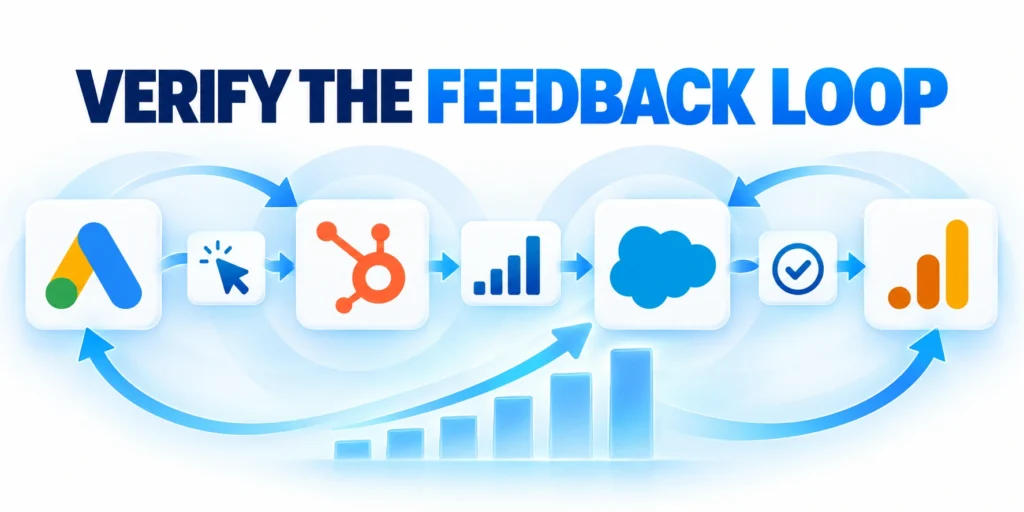
Reliable B2B conversion improvement begins with a defined audience, observable journey, qualified outcome, and accountable decision rather than a headline conversion rate.
Combine behavioral, technical, qualitative, CRM, and revenue evidence. Preserve uncertainty and counterexamples so teams can distinguish real opportunity from measurement noise.
Turn research into a bounded decision
Choose one material question, establish the baseline, identify dependencies, and define the result that supports improvement, another test, or stopping the proposed change.
Use these final conversion research controls:
- Defined audience
- Preserved baseline
- Qualified outcome
- Owned decision
- Review checkpoint
Test representative journeys, including exceptions and delayed outcomes. Protect customer experience, tracking integrity, sales capacity, privacy, and operational continuity throughout the change.
Evaluate downstream value and tradeoffs
Compare lead quality, pipeline progression, revenue evidence, implementation effort, service demand, and risk. A local page improvement can still weaken the broader funnel.
Document limitations and alternative explanations. Avoid scaling when the sample, instrumentation, segment, or operating conditions cannot support the intended decision.
Preserve learning for the next cycle
Store the hypothesis, evidence, implementation, result, decision, owner, and follow-up date in a searchable research record connected to affected campaigns and systems.
The strongest conversion program compounds disciplined learning. It improves customer journeys while keeping measurement, sales follow-up, governance, and business value visible.
Keep the next research cycle decision-ready
Assign owners to preserve baselines, definitions, implementation evidence, results, exceptions, and unresolved questions throughout the operating period.
A maintained evidence record shortens future analysis and helps teams distinguish real improvement from changed audiences, tracking, sales behavior, or market conditions.








Leave a Reply