


Define a high-quality CRM seed audience

A lookalike audience starts with the source audience, not the advertising platform. The seed should represent customers or prospects your business wants to find more often.
Start with a defined commercial outcome, such as qualified opportunities, retained customers, expansion accounts, or completed consultations. Avoid using every CRM contact simply because the records are available.
Choose signals that reflect customer value
For account selection and campaign coordination, use the account-based marketing strategy guide alongside this audience process.
A strong B2B seed often combines account fit with an outcome. It can include closed-won contacts, opportunity stakeholders, high-retention customers, or accounts meeting a defined revenue threshold.
Use this operational checklist for the decision:
- Use lifecycle stages with clear ownership and entry criteria.
- Include records with verified contact methods and current consent status.
- Exclude duplicates, test records, employees, agencies, and disqualified contacts.
- Document why every included segment represents the intended buyer.
Seed quality matters more than raw quantity. A broad list of low-value names can teach an audience system to seek characteristics unrelated to commercial success.
Ask sales whether the selected accounts resemble the buyers worth repeating. This check catches definitions that look clean in a dashboard but omit practical buying context.
Validate seed freshness before matching
Review lifecycle stage, duplicate rate, account fit, and recent outcomes before each export. A seed that no longer reflects customer value can distort every downstream audience decision.
Keep a versioned record of approved criteria and source counts. That record makes a later change visible instead of treating a materially different seed as equivalent.
Govern CRM data before audience activation

First-party data needs a repeatable quality process before it becomes an advertising audience. Incomplete, duplicated, or stale records reduce matching and make later analysis unreliable.
Set a field contract for every source. State who owns each field, what makes it valid, when it is refreshed, and what happens when a value conflicts.
Prepare only the fields needed for matching
Advertising platforms use approved customer identifiers to match records. Keep the activation file limited to the necessary fields and avoid attaching descriptive CRM data that has no matching purpose.
Use this operational checklist for the decision:
- Deduplicate contacts using a defined identity rule.
- Normalize email addresses, phones, country values, and lifecycle labels.
- Remove records that do not meet the segment rule.
- Record the date, source system, and owner of the exported audience.
- Refresh the list on a documented cadence.
Google explains that Customer Match uses uploaded customer data to match customers to Google accounts and enforce relevant policy requirements. Matching quality therefore depends on the supplied data.
A governed file also makes troubleshooting possible. When a match rate or lead-quality result changes, the team can trace whether the source data changed before blaming campaign settings.
Make eligibility operationally visible
Translate permitted-use rules into clear CRM fields and review steps. Campaign operators should not need to infer whether a record may be activated from scattered notes or old exports.
Refresh eligibility when consent, relationship status, geography, or account policy changes. Timely updates protect customers and improve the validity of the activation population.
Confirm consent and permitted use before activation

First-party does not automatically mean usable for every advertising purpose. The company needs a lawful basis, suitable notices, and permissions appropriate to the markets and platforms involved.
Build consent and suppression logic into the source query. Do not rely on a spreadsheet cleanup after a file has been exported and shared across teams.
Make eligibility visible to the people operating campaigns
Add a controlled audience-eligibility field in the CRM. It should reflect the organization’s current rules and update when a customer withdraws permission or becomes ineligible.
Use this operational checklist for the decision:
- Separate marketing permission from product or service communications.
- Apply regional rules before creating the source audience.
- Keep a suppression process for customers, employees, and sensitive segments.
- Restrict exports to people with a defined operational responsibility.
Meta’s customer-list terms require advertisers to have necessary rights, permissions, and lawful basis for customer data used to create an audience. Treat platform terms as an operational control.
When consent rules are explicit, marketers can move quickly without inventing a legal interpretation during each campaign launch. The same field also supports future audit and deletion requests.
Match channel controls to the audience purpose
Each platform has different matching, exclusion, geography, and delivery settings. Configure them against the documented test purpose instead of copying an unrelated campaign setup.
Keep the channel configuration with the audience decision record. This gives reviewers enough context to understand a performance change without guessing which controls moved.
Activate lookalikes with channel-specific controls
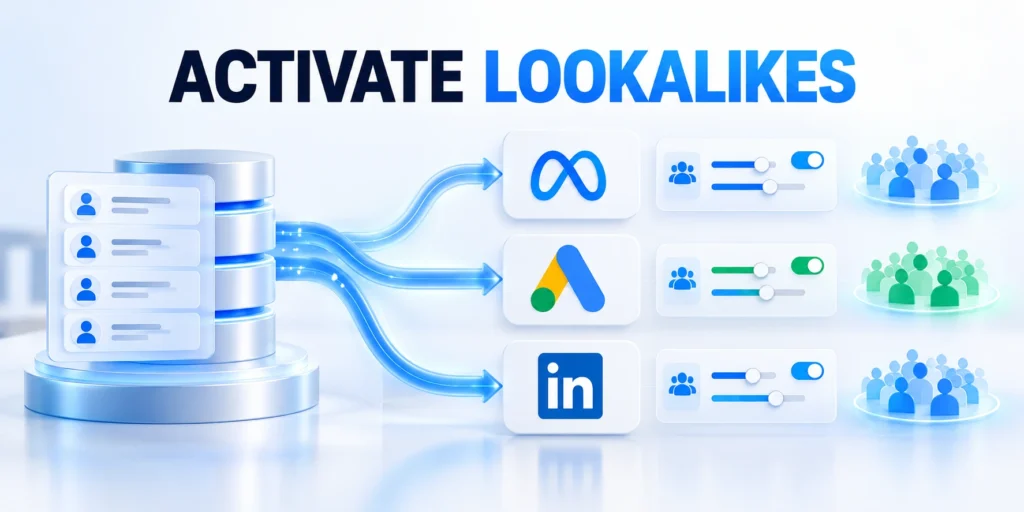
A lookalike is not a universal audience recipe. Each channel has different eligibility, matching behavior, expansion controls, and reporting. Start with the platform that matches the campaign objective.
Keep the initial audience narrow enough to learn. A large expansion can generate delivery, but it can also hide whether the seed quality actually contributed to qualified demand.
Separate the seed from the activation decision
Use the same seed definition only when the channel, geography, offer, and audience stage are comparable. A customer list for enterprise renewal may not suit top-of-funnel acquisition.
Use this operational checklist for the decision:
- Choose one channel and one campaign objective for the first test.
- Exclude existing customers where prospecting is the intended goal.
- Set geography, language, and account filters before audience expansion.
- Use a message and landing experience designed for the identified buyer problem.
Google states that eligible Customer Match segments can support similar audiences on selected inventory. Eligibility and availability can change, so validate the platform’s current requirements before activation.
Store the platform audience ID back in campaign documentation. That link makes it easier to connect later media results to the CRM query that produced the seed.
Define learning conditions before spend increases
Set the comparison window, spend boundary, follow-up route, and stopping condition before the pilot begins. A result is only useful when the team can distinguish signal from changing conditions.
Review quality at the account and opportunity level when relevant. A lead volume increase can conceal weaker fit, duplicate demand, or delayed sales follow-up.
Run a controlled pilot before expanding

Start with a controlled pilot instead of replacing every prospecting audience. A focused test provides a baseline and makes the consequences of the new data strategy observable.
Define success before launch. Include the expected leading indicator, the downstream CRM outcome, the test duration, and the owner responsible for reviewing results.
Use a decision log that supports reversal
Document the CRM query, source count, channel settings, exclusions, creative, landing page, budget, start date, and intended decision. This prevents a promising result from becoming unrepeatable.
Use this operational checklist for the decision:
- Choose a seed tied to a verified commercial outcome.
- Create one audience and one comparable control path.
- Run long enough to observe meaningful lead progression.
- Review lead quality with sales and revenue operations.
- Expand, narrow, or stop using documented evidence.
A pilot protects budget and learning. It also exposes operational gaps, such as missing campaign parameters, unclear routing, or a CRM stage that does not represent real qualification.
Do not expand merely because the audience delivers inexpensive impressions. Expansion is justified when the selected audience produces useful account progression at a viable cost.
Reconcile platform and CRM evidence
Use campaign identifiers, response timing, and sales disposition to connect delivery data with qualified pipeline evidence. Do not assume a platform conversion represents a validated customer outcome.
Investigate differences between platform reports and CRM records before optimizing. The difference may reveal tracking gaps, attribution assumptions, or a problem in the follow-up process.
Measure qualified pipeline, not click volume

Lookalike performance should be measured against the business outcome that created the seed. Clicks and cheap leads can be useful diagnostics, but they do not prove commercial fit.
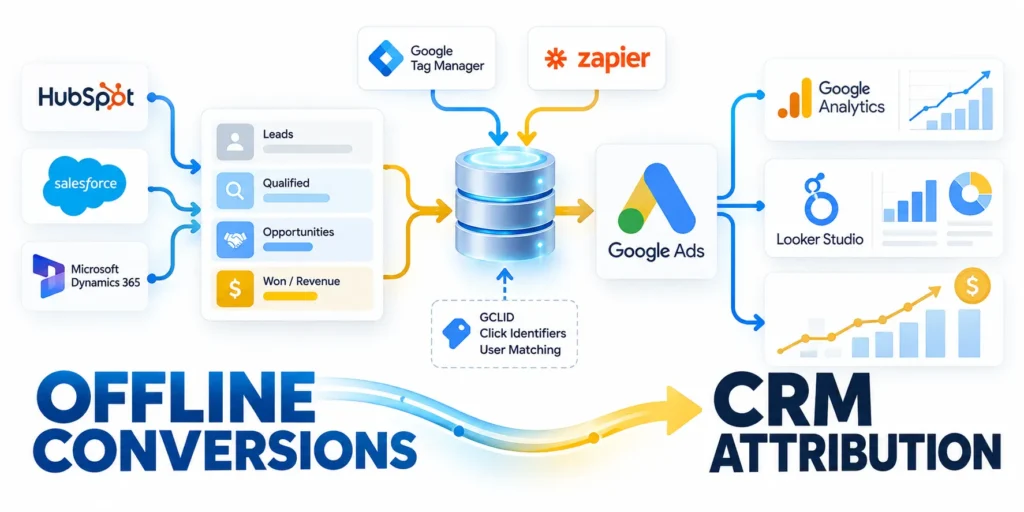
Connect platform results to CRM stages, account quality, meeting completion, opportunities, and revenue wherever the attribution model permits. Review both volume and quality with the sales team.
Compare audience quality with a control
Use a control group, an existing audience, or a defined historical baseline. Without comparison, seasonal demand or sales follow-up changes can be mistaken for audience performance.
| Measure | What it shows | Decision use |
|---|---|---|
| Match and reach | Whether the activation can deliver | Diagnose list or platform constraints |
| Qualified lead rate | Fit after initial conversion | Compare audience quality |
| Meeting and opportunity rate | Sales acceptance and progression | Validate commercial relevance |
| Revenue or retention signal | Longer-term value | Decide whether to expand |
Feed outcomes back to the CRM source definition. If a lookalike produces better opportunities from a specific customer cohort, test whether that cohort should become the next seed.
This loop turns audience building into a governed revenue operation. The team learns from verified outcomes rather than treating platform targeting as a black box.
Align the seed with a documented business definition
Write the seed rule in plain language before anyone builds the CRM view. A future reviewer should understand what customer outcome qualifies a record without opening campaign reports.
Define the account and contact relationship explicitly. Enterprise buying groups often include multiple stakeholders, while a single-person contact list may hide the account’s commercial value.
Use this operational checklist for the decision:
- Name the business outcome.
- Specify account and contact criteria.
- Assign a data owner.
- Set the review cadence.
Keep the definition in the campaign brief, CRM documentation, and reporting workspace. Consistent wording prevents marketing, sales, and operations from activating different interpretations of the same seed.
If the definition changes, treat it as a new test condition. Comparing results across changed seed rules can create a misleading impression of channel performance.
Build a refresh process that operators can repeat
Audience quality decays when CRM stages, eligibility, or contact details change. Schedule refreshes around the sales cycle and the rate at which source records become outdated.
Use a repeatable export or integration instead of an ad hoc spreadsheet. The process should produce the same fields, exclusions, and ownership record each time.
Use this operational checklist for the decision:
- Record the query version.
- Store the refresh date.
- Count included and excluded records.
- Log the platform destination.
Compare the current audience count with the prior refresh. A major increase or decrease is a signal to investigate before allowing the advertising platform to learn from it.
Give one person responsibility for responding to a failed refresh. A defined owner shortens recovery time and protects campaigns from using stale customer data.
Control access to the audience activation workflow
Access controls should match the sensitivity of the source data. Limit who can edit the CRM query, export the list, upload it, and approve campaign activation.
Separate the people who define eligibility from the people who launch media whenever the team size permits. This creates a simple review point before data leaves the CRM.
Use this operational checklist for the decision:
- Use named accounts, never shared credentials.
- Review access after role changes.
- Remove expired campaign access.
- Keep a basic export log.
Document where the file or synchronized audience is stored and how it can be removed. This helps the team respond when consent changes or an audience must be paused.
Do not treat platform access as evidence of permission. Platform credentials authorize a technical action; the CRM eligibility rule determines whether that action is appropriate.
Make the pilot comparable before spending more
A pilot produces useful evidence only when the comparison is credible. Keep the offer, budget logic, conversion definition, and follow-up process stable during the first test.
Choose a control that represents the current acquisition method. It may be an existing prospecting audience, a matched geography, or a documented historical baseline.
Use this operational checklist for the decision:
- Set a start and end date.
- Define minimum evidence needed.
- Assign the decision owner.
- Write the stop condition.
Review lead progression after enough time for qualification to occur. Early click metrics can reveal delivery problems, but they do not replace downstream business outcomes.
When the result is unclear, extend the observation period or correct the measurement process. Do not expand because a small pilot produced a convenient but incomplete signal.
Connect campaign measurement to CRM follow-up
Measurement needs shared definitions across marketing and sales. Agree on what counts as a qualified lead, accepted account, meeting, opportunity, and revenue contribution before launch.
Preserve campaign identifiers through handoff into the CRM. Without reliable identifiers, teams cannot distinguish a high-quality audience from strong sales follow-up or seasonal demand.
Use this operational checklist for the decision:
- Capture source and campaign identifiers.
- Track response time.
- Review disqualification reasons.
- Compare stage conversion rates.
Use sales feedback as evidence, not as a vague impression. A structured reason for poor fit can show whether the seed, creative, offer, or routing requires change.
Return useful findings to the seed definition. The next audience should be improved through recorded evidence instead of copying the previous configuration without review.
Prepare a reversal path before expanding
Every audience expansion should have a simple way to stop, narrow, or replace it. Reversal is easier when campaign settings and source records are documented before launch.
Keep the previous targeting approach available until the new audience demonstrates qualified pipeline performance. This avoids forcing the business to accept an unproven activation decision.
Use this operational checklist for the decision:
- Save the previous audience settings.
- Document suppression rules.
- Set a pause owner.
- Record the rollback trigger.
A reversal plan is also a learning tool. It creates a clear boundary between a controlled test and a broad change that cannot be explained later.
Once the team has documented successful outcomes across comparable tests, expand carefully and retain the measurement controls that made the original decision defensible.
Diagnose changes in the seed before changing media settings
A lookalike can deteriorate even when campaign settings remain stable. New CRM stages, imports, territory rules, or sales practices may change who enters the source audience.
Compare each refresh with the prior approved seed. Review counts, lifecycle composition, industries, regions, customer value, consent eligibility, duplicate rates, and the age of matching identifiers.
Use this operational checklist for the decision:
- Flag unexplained segment growth.
- Review newly eligible records.
- Check suppression changes.
- Compare outcome distributions.
If the population changed materially, label the refresh as a new audience version. Do not compare its performance directly with an earlier version without documenting the difference.
This investigation prevents teams from compensating for a data-quality problem through bids, budgets, or creative changes that cannot repair the underlying source signal.
Document exclusions as carefully as inclusions
Exclusions define the audience boundary and protect both relevance and customer trust. Record why customers, employees, partners, disqualified leads, and restricted regions are removed.
Use reason codes that operators can review instead of maintaining an unexplained suppression file. A reason code supports audits, refreshes, and resolution when a record becomes eligible again.
Use this operational checklist for the decision:
- State the exclusion owner.
- Record the effective date.
- Define the review trigger.
- Preserve the source system.
Apply exclusions before hashing, synchronization, or upload. Removing records after platform activation may leave an older audience version available to campaigns or other operators.
Test suppression logic with known records before launch. Confirm that ineligible contacts remain absent after refreshes and that permitted customers are not removed by an overly broad rule.
Use explicit gates for audience expansion
Expansion should follow a decision gate, not a favorable dashboard snapshot. Require sufficient conversion maturity, stable tracking, acceptable sales feedback, and a documented comparison with the control.
Set separate gates for increasing budget, widening geography, changing the source population, or adding another channel. Each action introduces a different risk and deserves its own evidence.
Use this operational checklist for the decision:
- Confirm measurement stability.
- Verify qualified progression.
- Review consent controls.
- Approve the next scope.
Expand one dimension at a time when practical. This preserves a usable explanation for performance changes and makes rollback possible when the next audience version underperforms.
Keep the original control active long enough to identify delayed opportunity outcomes. Enterprise sales cycles can make an early lead-volume advantage disappear after qualification and opportunity review.
Connect first-party audiences to enterprise media strategy
Review seed quality, consent, campaign controls, and qualified-pipeline evidence before expanding the audience across channels or markets.
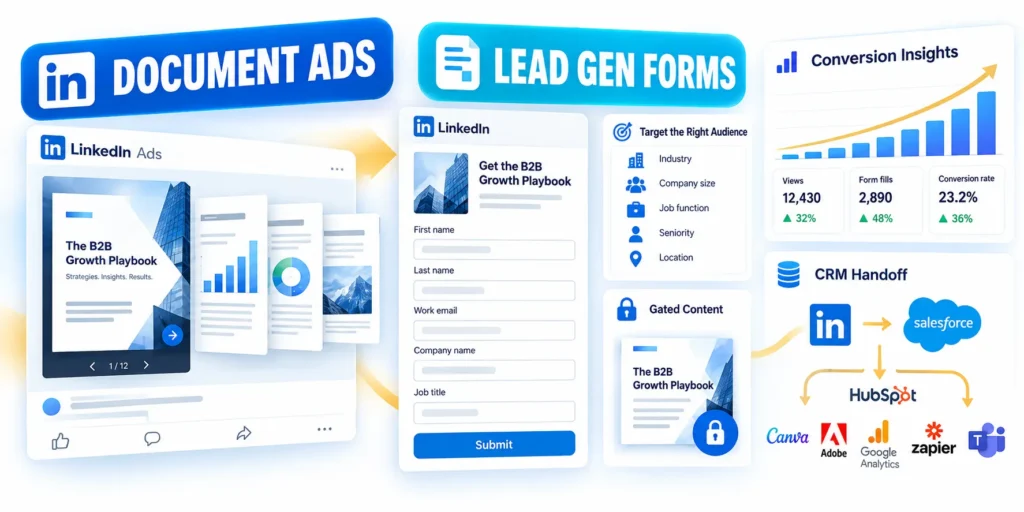
For enterprise campaign planning, read our LinkedIn Ads strategy for enterprise contracts.
Set matching quality standards before activation

High-quality CRM seed matching requires an explicit decision before a customer record is matched or activated. The team should identify the audience pattern, owner, and expected business outcome.
Use the smallest useful scope for high-quality crm seed matching. Broadening the audience without a clear rule reduces learning and can create risk that is difficult to reverse.
Define the high-quality crm seed matching decision
Write the high-quality crm seed matching decision, supporting evidence, accountable owner, exclusions, and review date before campaign settings change. This keeps platform configuration connected to a business purpose.
Keep the original high-quality crm seed matching hypothesis with the activation record. Operators need a shared reference when delivery, lead quality, or follow-up conditions change.
Use these high-quality crm seed matching controls before activation:
- Named owner for high-quality crm seed matching
- Criteria for high-quality crm seed matching
- Current consent and eligibility
- Defined comparison condition
- Recorded review and reversal
Protect expectations during high-quality crm seed matching
Restrict fields, access, and retention to what high-quality crm seed matching requires. Technical availability does not make a CRM record appropriate for every high-quality crm seed matching campaign.
Make high-quality crm seed matching permission boundaries visible to campaign, sales, and operations teams. This reduces accidental use outside the intended high-quality crm seed matching purpose.
Run a bounded high-quality crm seed matching pilot
Start with a limited high-quality crm seed matching test that can demonstrate whether the audience improves the intended outcome. Keep high-quality crm seed matching targeting, creative, budget, and follow-up understandable.
Record high-quality crm seed matching changes before testing. Clear records preserve useful learning even when the audience does not outperform the control.
Review high-quality crm seed matching outcomes
Compare high-quality crm seed matching pipeline quality with the original hypothesis, not only delivery volume or low-cost clicks. Use CRM follow-up and high-quality crm seed matching sales-cycle context.
Record what high-quality crm seed matching showed, what remains uncertain, and the next action. This turns high-quality crm seed matching activation into a repeatable process rather than a one-off campaign.
Apply consent and data controls throughout activation

Consent-aware CRM audience activation requires an explicit decision before a customer record is matched or activated. The team should identify the audience pattern, owner, and expected business outcome.
Use the smallest useful scope for consent-aware crm audience activation. Broadening the audience without a clear rule reduces learning and can create risk that is difficult to reverse.
Define the consent-aware crm audience activation decision
Write the consent-aware crm audience activation decision, supporting evidence, accountable owner, exclusions, and review date before campaign settings change. This keeps platform configuration connected to a business purpose.
Keep the original consent-aware crm audience activation hypothesis with the activation record. Operators need a shared reference when delivery, lead quality, or follow-up conditions change.
Use these consent-aware crm audience activation controls before activation:
- Named owner for consent-aware crm audience activation
- Criteria for consent-aware crm audience activation
- Current consent and eligibility
- Defined comparison condition
- Recorded review and reversal
Protect expectations during consent-aware crm audience activation
Restrict fields, access, and retention to what consent-aware crm audience activation requires. Technical availability does not make a CRM record appropriate for every consent-aware crm audience activation campaign.
Make consent-aware crm audience activation permission boundaries visible to campaign, sales, and operations teams. This reduces accidental use outside the intended consent-aware crm audience activation purpose.
Run a bounded consent-aware crm audience activation pilot
Start with a limited consent-aware crm audience activation test that can demonstrate whether the audience improves the intended outcome. Keep consent-aware crm audience activation targeting, creative, budget, and follow-up understandable.
Record consent-aware crm audience activation changes before testing. Clear records preserve useful learning even when the audience does not outperform the control.
Review consent-aware crm audience activation outcomes
Compare consent-aware crm audience activation pipeline quality with the original hypothesis, not only delivery volume or low-cost clicks. Use CRM follow-up and consent-aware crm audience activation sales-cycle context.
Record what consent-aware crm audience activation showed, what remains uncertain, and the next action. This turns consent-aware crm audience activation activation into a repeatable process rather than a one-off campaign.
Use controlled tests before expanding lookalikes
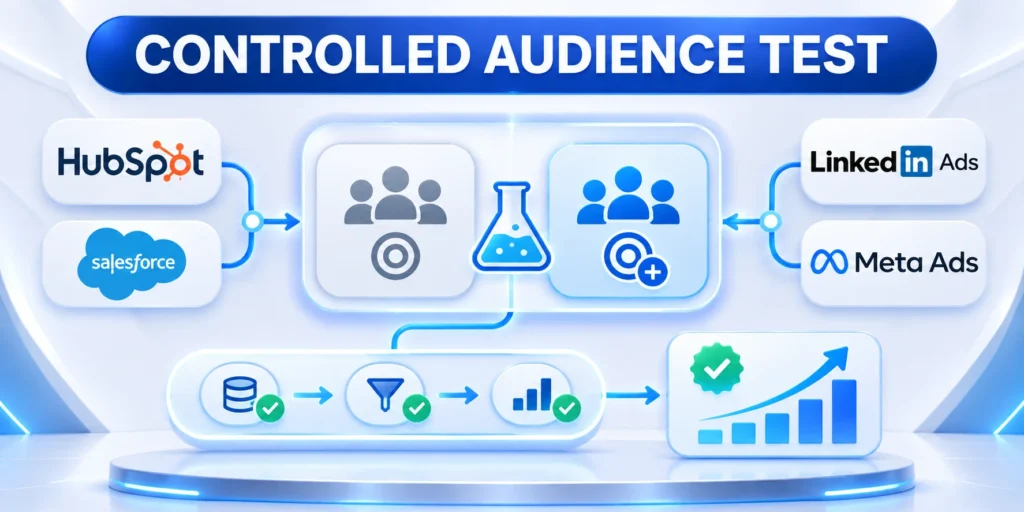
Controlled lookalike audience testing requires an explicit decision before a customer record is matched or activated. The team should identify the audience pattern, owner, and expected business outcome.
Use the smallest useful scope for controlled lookalike audience testing. Broadening the audience without a clear rule reduces learning and can create risk that is difficult to reverse.
Define the controlled lookalike audience testing decision
Write the controlled lookalike audience testing decision, supporting evidence, accountable owner, exclusions, and review date before campaign settings change. This keeps platform configuration connected to a business purpose.
Keep the original controlled lookalike audience testing hypothesis with the activation record. Operators need a shared reference when delivery, lead quality, or follow-up conditions change.
Use these controlled lookalike audience testing controls before activation:
- Named owner for controlled lookalike audience testing
- Criteria for controlled lookalike audience testing
- Current consent and eligibility
- Defined comparison condition
- Recorded review and reversal
Protect expectations during controlled lookalike audience testing
Restrict fields, access, and retention to what controlled lookalike audience testing requires. Technical availability does not make a CRM record appropriate for every controlled lookalike audience testing campaign.
Make controlled lookalike audience testing permission boundaries visible to campaign, sales, and operations teams. This reduces accidental use outside the intended controlled lookalike audience testing purpose.
Run a bounded controlled lookalike audience testing pilot
Start with a limited controlled lookalike audience testing test that can demonstrate whether the audience improves the intended outcome. Keep controlled lookalike audience testing targeting, creative, budget, and follow-up understandable.
Record controlled lookalike audience testing changes before testing. Clear records preserve useful learning even when the audience does not outperform the control.
Review controlled lookalike audience testing outcomes
Compare controlled lookalike audience testing pipeline quality with the original hypothesis, not only delivery volume or low-cost clicks. Use CRM follow-up and controlled lookalike audience testing sales-cycle context.
Record what controlled lookalike audience testing showed, what remains uncertain, and the next action. This turns controlled lookalike audience testing activation into a repeatable process rather than a one-off campaign.
Connect campaign results to qualified pipeline evidence

Qualified pipeline measurement requires an explicit decision before a customer record is matched or activated. The team should identify the audience pattern, owner, and expected business outcome.
Use the smallest useful scope for qualified pipeline measurement. Broadening the audience without a clear rule reduces learning and can create risk that is difficult to reverse.
Define the qualified pipeline measurement decision
Write the qualified pipeline measurement decision, supporting evidence, accountable owner, exclusions, and review date before campaign settings change. This keeps platform configuration connected to a business purpose.
Keep the original qualified pipeline measurement hypothesis with the activation record. Operators need a shared reference when delivery, lead quality, or follow-up conditions change.
Use these qualified pipeline measurement controls before activation:
- Named owner for qualified pipeline measurement
- Criteria for qualified pipeline measurement
- Current consent and eligibility
- Defined comparison condition
- Recorded review and reversal
Protect expectations during qualified pipeline measurement
Restrict fields, access, and retention to what qualified pipeline measurement requires. Technical availability does not make a CRM record appropriate for every qualified pipeline measurement campaign.
Make qualified pipeline measurement permission boundaries visible to campaign, sales, and operations teams. This reduces accidental use outside the intended qualified pipeline measurement purpose.
Run a bounded qualified pipeline measurement pilot
Start with a limited qualified pipeline measurement test that can demonstrate whether the audience improves the intended outcome. Keep qualified pipeline measurement targeting, creative, budget, and follow-up understandable.
Record qualified pipeline measurement changes before testing. Clear records preserve useful learning even when the audience does not outperform the control.
Review qualified pipeline measurement outcomes
Compare qualified pipeline measurement pipeline quality with the original hypothesis, not only delivery volume or low-cost clicks. Use CRM follow-up and qualified pipeline measurement sales-cycle context.
Record what qualified pipeline measurement showed, what remains uncertain, and the next action. This turns qualified pipeline measurement activation into a repeatable process rather than a one-off campaign.
FAQ
These answers clarify CRM audience activation, consent, testing, and pipeline measurement decisions for responsible lookalike programs.
What is a CRM seed audience?
It is a defined group of first-party CRM records used as the source for an audience activation or lookalike model. It should represent a specific commercial outcome.
Should every CRM contact be included?
No. Include only records that match the stated objective and eligibility rule. Broad lists can dilute the signal with poor-fit or outdated contacts.
How often should a customer list be refreshed?
Refresh according to the sales cycle, data-change rate, and platform rules. Use a documented cadence and refresh immediately when consent or eligibility changes.
Can a lookalike replace sales qualification?
No. It supports prospecting and targeting. Sales and revenue operations must still assess account fit, buying context, and opportunity quality.
What is the first metric to review?
Review the quality measure closest to the seed outcome, such as qualified lead rate or accepted opportunity rate, alongside delivery and spend.
How large should the seed audience be?
Use the smallest audience that still meets the platform’s current eligibility and produces stable matching without weakening the business definition.
Should lost opportunities be included?
Only when the loss reason still represents the desired buyer profile. Exclude disqualified, fraudulent, unsuitable, or consent-ineligible records.
How should seed quality be monitored?
Track record eligibility, match rate, consent status, segment composition, source freshness, downstream qualification, opportunity creation, and changes in the customer definition.
Can multiple seed audiences be tested?
Yes. Test distinct business definitions with controlled budgets and consistent conversion measurement instead of mixing unrelated customer signals into one list.
When should a lookalike audience be paused?
Pause it when consent or eligibility fails, seed quality changes, qualified outcomes deteriorate, measurement breaks, or the platform configuration no longer matches the approved purpose.
Conclusion

First-party CRM audiences work best when seed quality, consent, activation, testing, and pipeline review are treated as one accountable system.
Keep each expansion reversible and measurable. A smaller controlled audience can create better learning than a broad activation without governance.
Maintain a responsible feedback loop
Review customer quality, consent status, audience health, campaign conditions, and CRM outcomes together. Use that evidence to refine the next test rather than to justify unexamined scale.
Responsible audience growth protects trust while helping demand teams learn which patterns are genuinely associated with qualified customer outcomes.
Use the result to guide the next cycle
Compare performance against the decision rule, not a convenient platform metric. Explain whether the test improved customer fit, sales readiness, and the responsible use of data.
When results are weak or unclear, preserve the evidence and adjust one material condition. Disciplined iteration protects budget and produces stronger learning than unstructured scale.
Keep the decision record current
Maintain the seed definition, consent state, exclusions, platform configuration, and performance findings in one auditable record. This makes each later change reviewable and preserves operational continuity.
A clear record gives new operators the context to test responsibly. It also prevents a successful result from being copied after its original conditions have changed.
Keep these practices visible in each audience cycle:
- Define customer value before matching
- Confirm consent and permitted use
- Use controlled pilots before scale
- Measure qualified pipeline outcomes
- Record reversals and decisions



Leave a Reply